Arthritis in Children & Teens
Juvenile Ideophaic Arthritis(JIA) or Juvenile Rheumatoid Arthritis(JRA) is a type of Arthritis common in children & teens. Arthritis is a disorder that affects your joints ( where your bones meet to enable you to move). This disorder causes pain and inflammation when your joints move.
An estimated 1 in every 1000 children has arthritis, resulting in around 300,000 children in the USA suffering from Juvenile Ideophaic Arthritis. Inflammation of the joints will begin in children aged 16 and younger. If the symptoms last longer than six weeks, they are termed chronic.
There are five types of Juvenile Ideophaic Arthritis
- Systemic Juvenile Idiopathic Arthritis
SJIA affects nearly 10% of children with arthritis. The first sign is that your child has fevers of 103°F or higher repeatedly, and in some cases, you may notice a salmon-colored rash. In extreme circumstances, there may be inflammation of not only joints but also of skin & internal organs. Systemic Juvenile Idiopathic Arthritis may persist even after the fevers and other symptoms have disappeared.
- Oligoarticular Juvenile Idiopathic Arthritis
Oligoarticular JIA involves fewer than five joints in its initial stages; the larger joints-knees, elbows, and ankles. It affects almost 50% of all children with arthritis and puts girls more at risk than boys. Children under seven with Oligoarticular Juvenile Idiopathic Arthritis have a higher chance of the disease subsiding over time. While in older children, it may continue into adulthood. This type of arthritis may lead to inflammation of the eye.
- Polyarticular Juvenile Idiopathic Arthritis
Polyarticular Juvenile Idiopathic Arthritis affects five or more joints and can begin at any age. It affects both sides of the body, for example, knees, wrists, and elbows. Children diagnosed with polyarticular Juvenile Idiopathic Arthritis in their teens may have the adult form of rheumatoid arthritis (RA) at an earlier-than-usual age. 25% of cases of juvenile arthritis are PolyarticularJuvenile Idiopathic Arthritis.
- Enthesitis Related Arthritis
Enthesitis Related Arthritis or Spondyloarthritis is a form of Juvenile Idiopathic Arthritis that affects where the muscles, ligaments, or tendons attach to the bone usually affecting the hips, knees, feet, fingers, elbows, pelvis, chest, digestive tract, and lower back. Children with Spondyloarthritis may have joint pain without swelling. It is also most common in boys aged 8-15.
- Psoriatic Arthritis
Psoriatic arthritis portrays a scaly rash behind the ears or on the eyelids, elbows, knees, belly button, and scalp. It may affect one or more joints, often the wrists, knees, ankles, fingers, or toes.
Causes of juvenile idiopathic arthritis
The word idiopathic means “unknown” As a result, the causes of JIA are unknown. However, researchers believe that Juvenile Idiopathic Arthritis is an autoimmune disease. It means the body's immune system attacks its healthy cells and tissues instead, the immune system fighting germs and disease and causes joints to be inflamed and look red or swollen.
Symptoms of juvenile idiopathic arthritis
It is important to note that not all children show the same symptoms. A few to look out for in your child include:
- Joint pain; If your child limps or complains of pain after waking up, after a nap, or staying in one position too long.
- Red, swollen, tender, and or warm joints.
- Stiffness- You may find your child clumsy in the morning or after a nap because the joints are stiff.
- Feeling very tired.
- Eye inflammation or blurry vision.
- Having a rash.
- Appetite loss which may lead to poor weight gain, and slow growth
- Having a high fever.
Treatment of juvenile idiopathic arthritis
Juvenile Ideophalic Arthritis has no cure and the effects can be contained if diagnosed early. Treatment from a doctor will result in your child experiencing Taking your child to a specialist will result in:
- Reduced inflammation.
- Reduced pain and stiffness.
- Prevented joint and organ damage.
- An improved joint function.
- Physical and psychosocial growth and development.
- Little or no disease activity or symptom resulting in remission.
- Increased engagement with normal day-to-day activities (e.g., schoolwork, sports, social life, and family life)
Self care treatment for your child includes:
- Healthy Eating:
Studies show that some foods help to curb inflammation. These include fatty fish, fruits, vegetables, whole grains, and extra virgin olive oil. Children with Juvenile Idiopathic Arthritis should avoid or reduce their intake of foods that can cause inflammation such as high-fat, sugary, and processed foods.
- Hot and Cold Treatments
Heat treatments, such as heat pads or a warm bath, work best to soothe stiff joints and tired muscles, and cold treatments are best for acute to numb painful areas and reduce inflammation.
- Balancing between Activity With Rest
When Juvenile Idiopathic Arthritis is active, a child's joint feels painful, swollen, or stiff. It’s important to balance light activity with rest. Resting helps reduce inflammation and fatigue that can come with a flare. Taking breaks throughout the day protects joints and preserves energy in your child.
- Supplements
Supplements for children include curcumin, a substance found in turmeric, and omega-3 fish oil supplements, which may help with joint pain and stiffness. Taking calcium and vitamin D can help build strong bones.
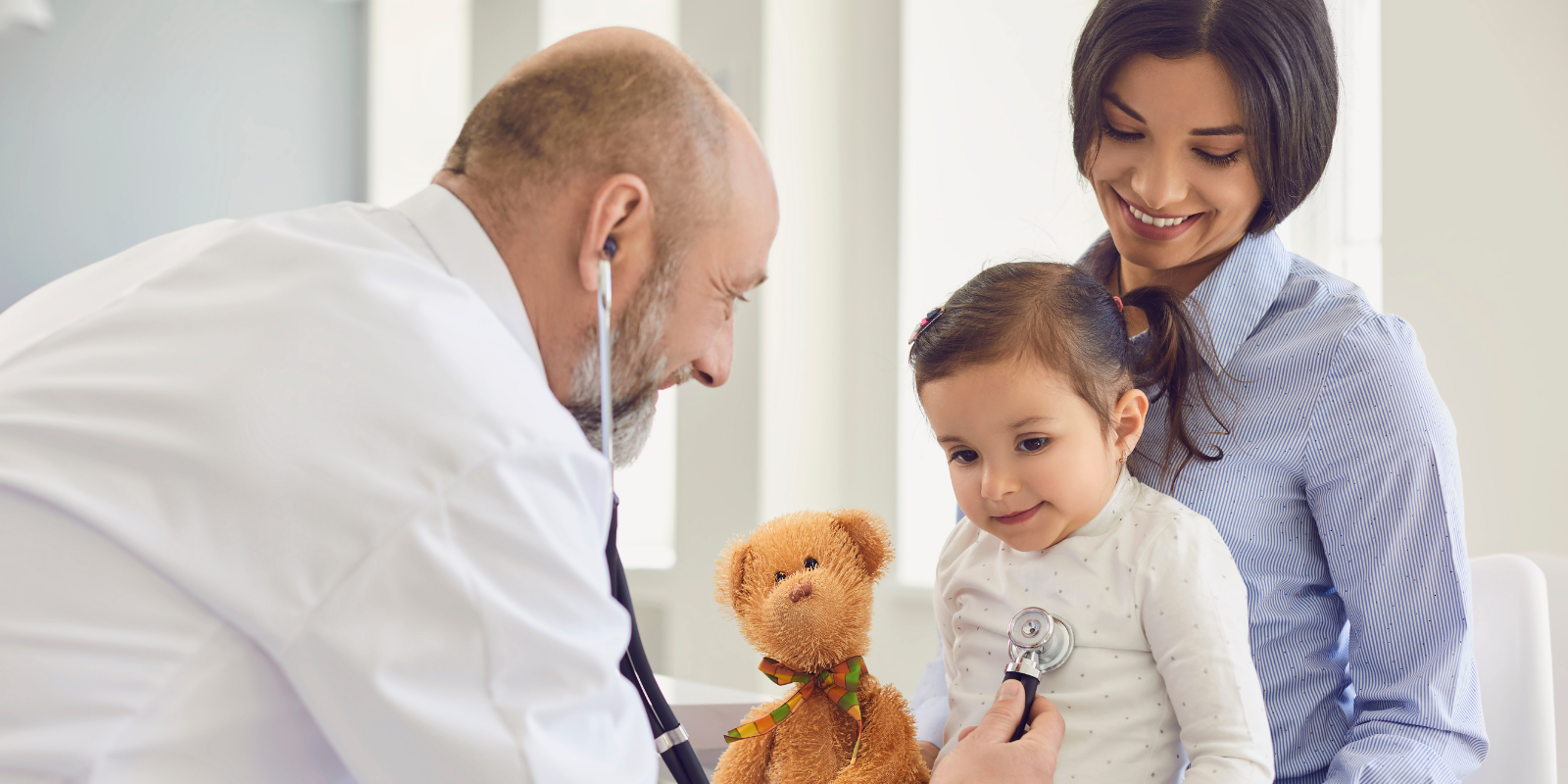
Take your child to your provider if they have joint pain, swelling, or stiffness for more than a week — especially if he or she has a fever. You can also call us to schedule a well-child check today.