Sports Physical Cedar Park, TX for Student Athletes
Tryouts are around the corner, and your kid needs a sports physical Cedar Park, TX schools will accept before they can practice or compete. Here's what the exam checks, how often your athlete needs one, what to bring, and how to book a same-day visit without the back-and-forth.
What Is a Sports Physical and Why Do Schools Require One
A sports physical is a brief visit to check whether it's safe for your child to play their sport. On school forms, it's called a pre-participation physical exam, but it's the same thing. It isn't really a pass-or-fail test. The provider either clears your athlete to play, clears them with a few notes (like adjusting an asthma plan), or asks for a follow-up before signing off.
Texas public schools follow University Interscholastic League rules, so this exam isn't optional if your child wants to be on a team. The form has to be on file before the first practice, scrimmage, or game.
There are a few outcomes you should be ready for. After the exam, the provider marks the form one of four ways: cleared to play, cleared for specific sports only, cleared pending further evaluation, or not cleared until something gets sorted out. Most kids get cleared without notes. The point of the visit is to catch the few times when something actually needs attention before your athlete steps onto the field.
One thing parents mix up: a sports physical is not the same as a full checkup. It focuses on the heart, lungs, bones, and joints, and it skips a lot of the general screening your child gets at their annual well-child exams. As the National Library of Medicine's guide to sports physicals puts it, this visit doesn't replace routine care. Your kid still needs both.
What a Sports Physical Cedar Park, TX Visit Includes
A student-athlete's physical exam in Texas schools consists of two parts: a conversation about health history and a hands-on exam.
Health History
Your provider asks about past injuries, surgeries, asthma, and any medications your child takes. They'll also want to know if your athlete has ever passed out, felt dizzy, had chest pain, or struggled to breathe during exercise, plus whether anyone in the family has had heart problems at a young age. These questions matter. Answer them honestly, even the awkward ones, because they're how a provider catches the things that actually cause trouble on the field.
This is also where you'll be asked about past concussions, headaches after head impacts, and any time your child got pulled from a game for a head hit. Be detailed. A concussion that was brushed off two seasons ago can change how a provider clears your kid to play contact sports today.
Hands-On Exam
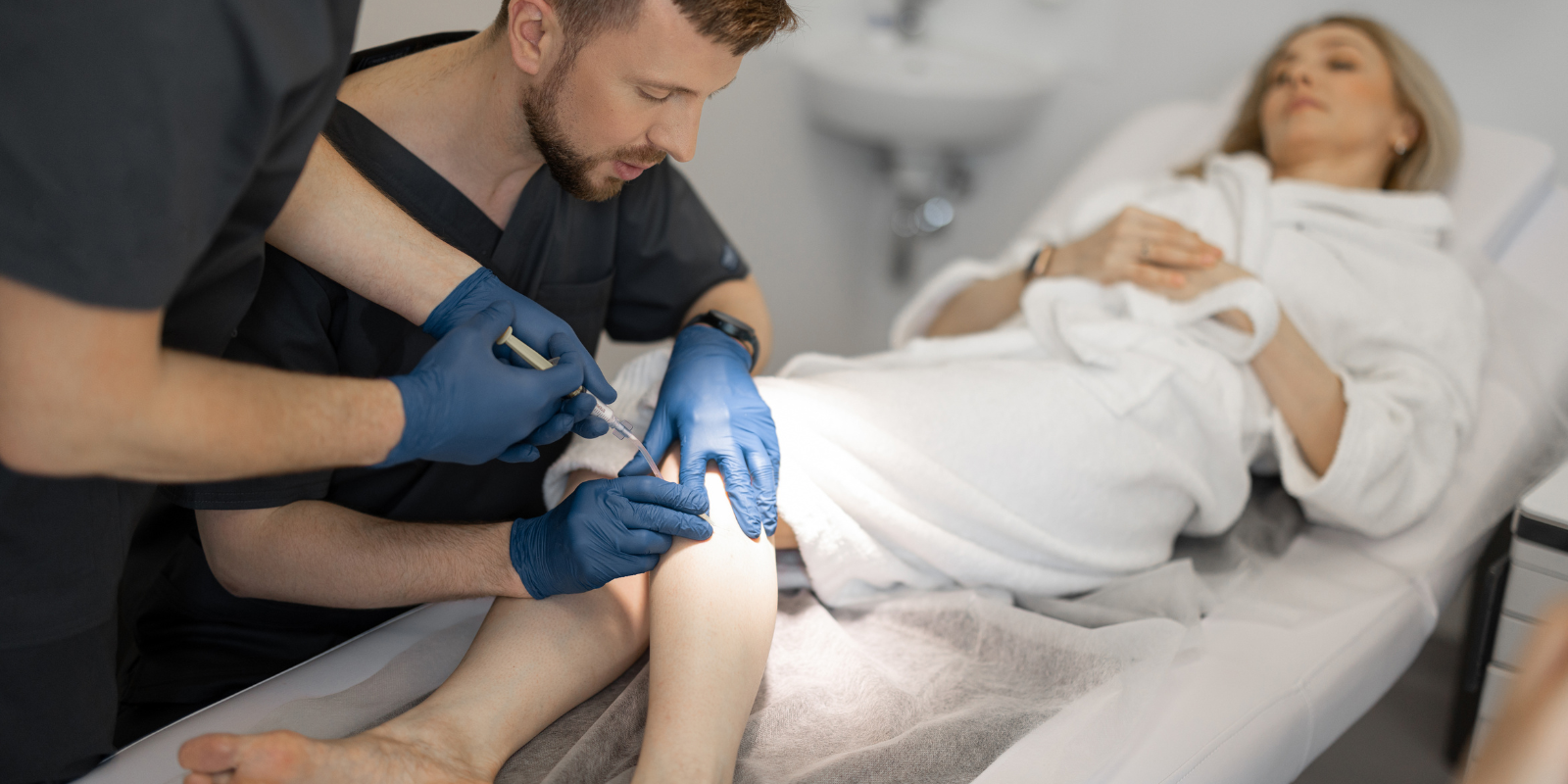
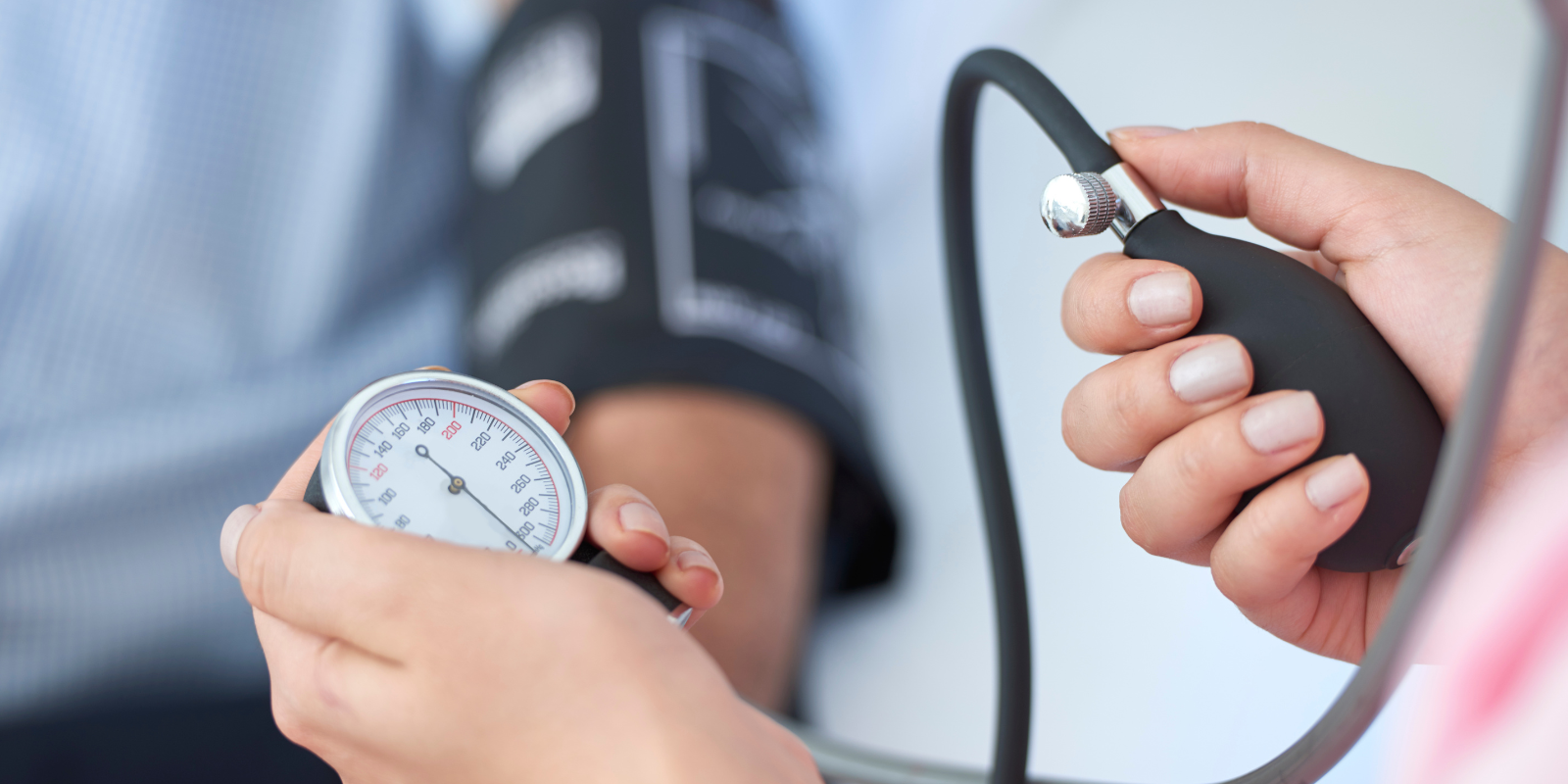
The provider checks height, weight, blood pressure, and vision; listens to the heart and lungs; and examines joints, flexibility, and range of motion. It's quick and non-invasive. You can see the full rundown of sports physical exams at our clinic, and the visit usually wraps up in about 30 minutes.
Heart and Cardiac Screening
The heart check gets the most attention, and for good reason. Texas requires schools to share information about sudden cardiac arrest and electrocardiogram screening before a student athlete plays, and the medical history form asks specific questions about chest pain, fainting during exercise, and family history of unexplained heart problems.
The provider listens for irregular rhythms and murmurs and reviews your answers carefully. If anything raises a flag, they may recommend an electrocardiogram or a follow-up before clearing your child. Most kids breeze through this part, but the screening is there because catching a heart issue early matters far more than catching it later.
Common Issues a Sports Physical Catches
A clean sports physical is the goal, but the value of the visit comes from what it can spot before the season starts.
Here are the things providers most often find:
- Asthma: A kid who hasn't needed their inhaler in months still needs a refill and a game-day plan before the session starts.
- Joint or flexibility issues: Old injuries that didn't fully heal can show up during the range-of-motion check.
- Growth-related concerns: Middle school athletes going through growth spurts may show changes in posture or balance that need attention.
- Blood pressure: Readings outside the normal range are flagged and reviewed before the provider signs off.
- Vision changes: Gradual changes that have quietly been affecting practice performance are often caught here first.
None of these is a reason to panic. Most are easy fixes once they're on a provider's radar. The point of catching them in a sports physical in Cedar Park, TX, is to keep small problems from becoming big ones mid-game.
How to Book a Same-Day Sports Physical in Cedar Park
You don't have to wait weeks for an opening, and you don't have to be a member to come in.
Same-Day Sports Physical Cedar Park, TX Options
Impact Family Wellness offers same-day appointments, so a form that's due tomorrow isn't a crisis. You can come in as a one-time visit, or get it handled as part of your care if your family is already a member.
A few things to bring so the visit goes fast:
- The school's University Interscholastic League form, with the history side already filled out by you and your child
- A list of any medications your child takes, including over-the-counter ones and supplements
- Glasses or contacts, if your child wears them
- Immunization records, if you have them handy
A Nurse Practitioner can complete and sign the University Interscholastic League form, so one visit is all it takes to get your athlete cleared.
Why Cedar Park Families Trust Impact Family Wellness
Most school physicals that Cedar Park students attend happen in a crowded gym, where the line moves fast, and details get missed. A real appointment is calmer, more private, and gives the provider room to actually look.
That's the difference here. Visits run longer, usually 30 to 60 minutes, so nobody's rushing your kid out the door. A Nurse Practitioner leads care, and because of the direct primary care model we use, you tend to see the same provider over time. They get to know your athlete's history, which makes every future visit easier.
Impact Family Wellness has served Cedar Park families since 2019. It is led by Family Nurse Practitioner
Monica McKitterick, who has worked in healthcare for more than 15 years, with locations in Cedar Park, Liberty Hill, and Thorndale. Keeping kids active is the whole point of clearing them to play. The Centers for Disease Control and Prevention activity guidelines call for kids ages 6 to 17 to get at least 60 minutes of activity a day, and a clean sports physical is step one.
The Bottom Line on Booking a Sports Physical in Cedar Park, TX
A preventive health physical Texas athletes complete before each season has a big job: making sure your child is healthy enough to compete and catching anything that could get in the way. Get it done early, bring the right paperwork, and the whole thing is painless.
Ready to Get Your Athlete Cleared?
When the form is due, you can grab a same-day slot on the Cedar Park appointment page and have your student athlete checked and signed off in about half an hour.
Frequently Asked Questions
1. How long does a sports physical take?
Most visits take about 30 minutes. If your child has a complex health history or something comes up that needs a closer look, the exam may run a little longer, but a straightforward exam is quick.
2. Can a Nurse Practitioner sign a Texas UIL sports physical form?
Yes. A Nurse Practitioner can complete and sign the UIL form in Texas. At Impact Family Wellness, one visit is all it takes to get your athlete fully cleared.
3. When should I schedule my child's sports physical?
Book it 4 to 6 weeks before tryouts. If something comes up that needs a closer look, that window gives you time to handle it before the season starts.
4. What should my child bring to a sports physical?
Bring the school's University Interscholastic League form with the history section completed, a list of current medications and supplements, glasses or contacts if your child uses them, and immunization records, if available.
5. How often does a student athlete need a sports physical?
University Interscholastic League rules require a physical exam before 7th, 9th, and 11th grade, with a medical history form signed every year in between. Many Texas districts require a fresh physical every year, so check with your school.
Key Takeaways
- Schedule the exam 4 to 6 weeks before tryouts so there's room to handle any follow-up.
- Fill out the history side of the school form at home with your child's input, since they may remember symptoms you don't.
- Write down any time your child felt dizzy, short of breath, or had chest pain during exercise, because the provider will ask.
- Keep the signed form somewhere safe. Coaches and school nurses need the original.
- Still book an annual physical exam, Cedar Park providers offer separately, since the sports physical is narrower and skips most general health screening.