6 Things to Know About Spider Vein Treatment Today
If you've ever noticed small, web-like red, blue, or purple lines just under the surface of your skin, especially on your legs, you might be dealing with spider veins.
For many people, spider veins can feel embarrassing. You may avoid wearing shorts or feel uncomfortable in a swimsuit. Beyond how they look, they can also cause itching, burning, or that heavy feeling in your legs after a long day. It's easy to brush them off as just a cosmetic issue, but they can sometimes signal deeper circulation problems.
The good news? There are effective ways to treat them. If you've been wondering what your options are or if treatment is even worth it, here's what you need to know about spider veins. This guide will walk you through the essentials, so you can figure out what makes the most sense for you.
What Is Spider Vein Treatment?
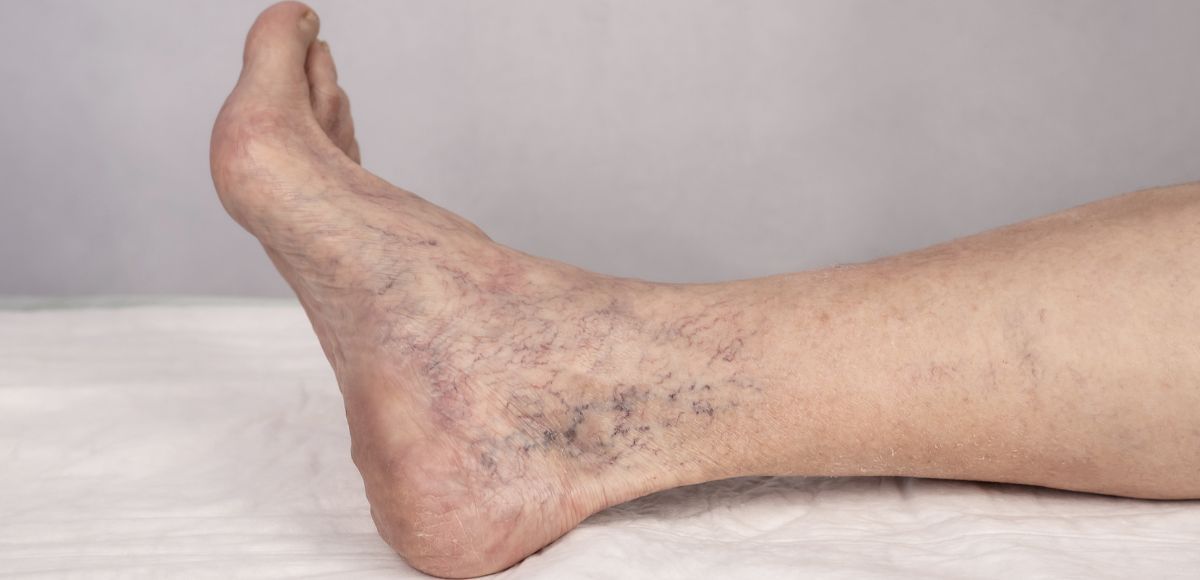
Spider veins are small, twisted blood vessels that you can see just under the surface of your skin. They often show up on the legs or face and look like thin red, blue, or purple lines, like tiny webs, which is how they got their name. They’re usually not dangerous, but they can still be uncomfortable.
Some people notice their legs feel tired, achy, or itchy where the veins are. Others don’t have any physical symptoms at all but feel self-conscious about how their legs look. Whether it’s for comfort or confidence, treating spider veins can help in more than one way.
Spider vein treatment can be both a medical and cosmetic decision. If the veins are causing discomfort or making it hard to stay active, treatment is often needed to relieve symptoms. If you just want clearer-looking skin, that’s okay too. The main goals are to ease symptoms, improve appearance, and help prevent the veins from getting worse over time.
Common Causes of Spider Veins
Spider veins don’t just show up out of nowhere. There are a few common reasons why they appear, and most of them have to do with how blood flows through your veins. When tiny valves in your veins stop working well, blood can back up and create pressure. Over time, that pressure stretches small veins near the surface of your skin, making them visible.
Let’s look at the most common causes:
Genetics and Family History
If your parents or grandparents had spider veins, there’s a good chance you might get them too. Genetics plays a big role. Some people are simply born with weaker vein walls or valves, making them more likely to develop spider veins as they age.
Hormonal Factors
Hormones can affect how your veins function. Changes during pregnancy, menopause, or even from birth control pills can increase your risk. That’s why spider veins are more common in women, especially during times when hormone levels shift. In many cases, the veins that appear during pregnancy may fade afterward, but not always.
Lifestyle Causes
Standing or sitting for long periods puts extra pressure on the veins in your legs. Whether you work on your feet all day or at a desk, it can affect your circulation. Over time, this added pressure can lead to spider veins. Lack of movement, weight gain, and even wearing high heels regularly can also contribute.
Trauma or Injury
An injury to the skin or tissue, such as a severe bruise or surgery near the veins, can sometimes damage the tiny blood vessels beneath the skin. When that happens, it may lead to spider veins forming in that area. Sun damage can also weaken the skin and increase the likelihood of facial spider veins.
The Most Effective Spider Vein Treatments Available Today
There are several safe and proven ways to treat spider veins. Some treatments work better for certain types of veins, depending on their size, location, and duration. Most of these options are done in a doctor’s office and don’t require major downtime.
Here are the most common spider vein treatment methods people choose:
Sclerotherapy
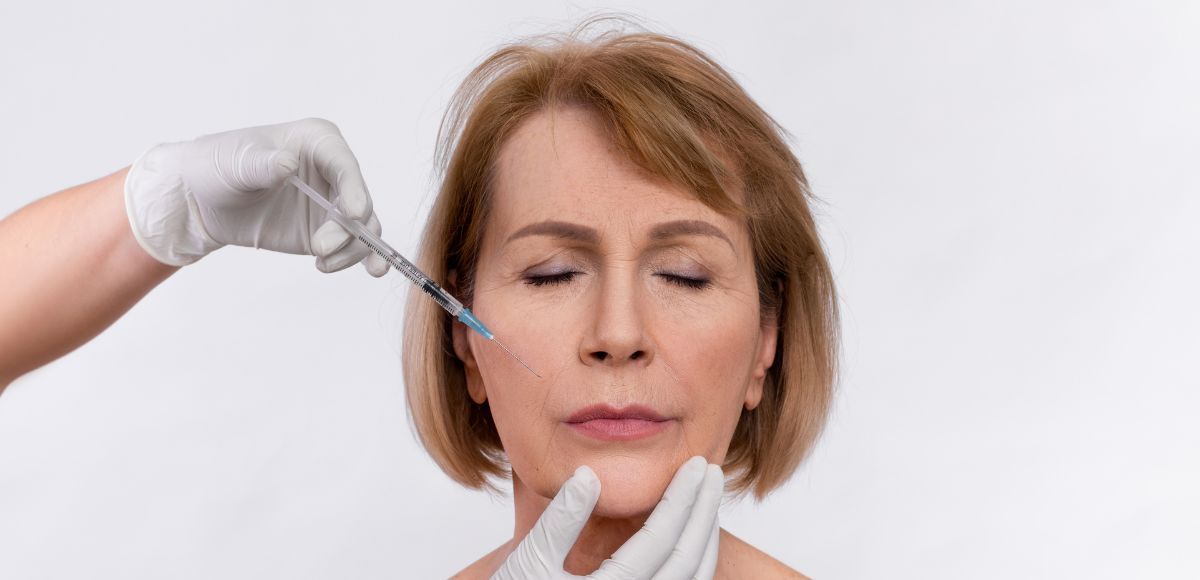
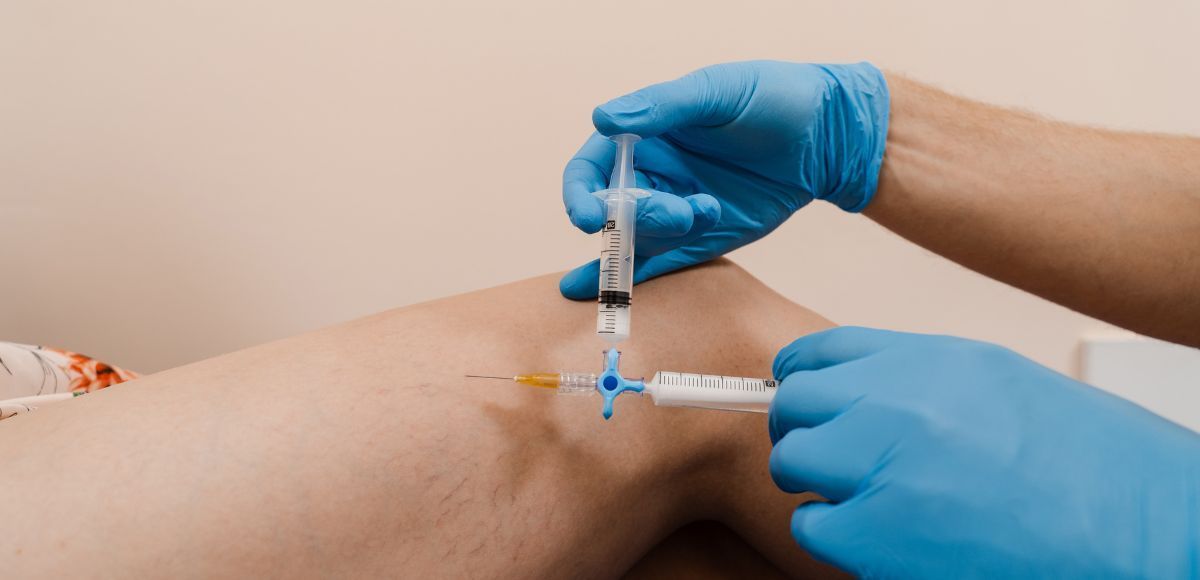
Sclerotherapy is one of the most widely used treatments for spider veins, especially on the legs. A small needle injects a solution directly into the affected vein. This solution causes the vein to close, and over time, your body absorbs it, fading from view.
It usually takes a few sessions to treat all the veins, and results appear gradually over a few weeks. Most people can return to normal activities right after, though wearing compression stockings for a few days is often recommended to support healing.
Laser Therapy
Laser treatment uses focused light to target and break down small spider veins, especially the ones on the face or other sensitive areas. It works by heating the vein just enough to cause it to collapse, and then the body gradually reabsorbs it.
Laser therapy doesn’t involve needles or injections, so it’s a good option if you’re not a fan of those. Some people may feel a warm or snapping sensation during treatment. You might need a few sessions for full results.
Radiofrequency Ablation (RFA)
Care providers often use RFA for larger veins, but in some cases, we may also recommend it for spider veins that don’t respond well to other treatments. During the procedure, the provider inserts a thin tube into the vein and applies radiofrequency energy to heat the vein wall, which causes it to close.
Providers perform this minimally invasive treatment using local numbing. They typically reserve it for more advanced vein issues, especially when spider veins connect to deeper circulation problems.
Ambulatory Phlebectomy
In ambulatory phlebectomy, the provider removes a vein through tiny skin incisions. Providers mostly use this treatment for bulging varicose veins, but in rare cases, they may also use it for large or stubborn spider veins.
Because it’s a bit more involved, it’s not usually the first choice for typical spider veins. But if your provider recommends it, it’s still considered a safe and effective option with tiny scars that fade over time.
Lifestyle and Natural Remedies to Treat Spider Veins at Home
At-home care won’t completely remove spider veins, but it can help manage symptoms and slow the development of new ones. These methods are simple, low-risk, and a good place to start, especially if your spider veins are mild or just beginning to show.
Here’s what you can try at home:
Compression Stockings
Compression stockings are one of the most recommended tools for managing spider veins. They gently squeeze your legs, which helps improve blood flow and reduce pressure in your veins. Wearing stockings can ease swelling, tiredness, or that heavy feeling some people get at the end of the day.
You can find them at most pharmacies, and they come in different strengths. If you're not sure which type to get, ask your primary care provider for guidance.
Leg Elevation and Movement
Keeping your legs elevated for short periods during the day can reduce venous pressure and help blood flow back toward the heart. Just lying down and propping your legs up on a pillow or cushion can make a difference.
If you sit or stand for long periods, try to take short breaks. Even moving your feet in circles or flexing your ankles can help keep the blood moving.
Exercise: Walking, Cycling, and Gentle Movement
Regular, low-impact exercise like walking, cycling, or swimming can strengthen your leg muscles and improve circulation. When your muscles are active, they help push blood through your veins, which takes pressure off those tiny valves that may not be working well.
You don’t need a strict workout routine, just aim to stay active most days, even if it’s just a short walk around the block.
Natural Remedies: Apple Cider Vinegar and Horse Chestnut Extract
Some people apply apple cider vinegar directly to the skin or take horse chestnut extract as a supplement, hoping to improve the appearance of spider veins. While these options are popular in natural health circles, there isn’t strong scientific evidence to support their effectiveness.
They’re generally safe if used properly, but most experts view them as supportive options, not substitutes for medical treatment. Always check with your care provider before starting any new supplement.
Spider Vein Recovery After Treatment
Recovery from spider vein treatment is usually simple and quick. Most procedures are done in the office and don’t require anesthesia or hospital stays. But even though recovery is easy for most people, there are still a few things you’ll want to know.
- Wear compression stockings for a few days or weeks to support healing, improve circulation, and reduce swelling.
- Stay active with light walking and try to avoid prolonged standing or sitting, especially in the first few days.
- Mild side effects are common and usually not a cause for concern.
- You may notice bruising, redness, or itching around the treated veins; these typically resolve within 1 to 2 weeks.
- It's normal for treated veins to look darker at first before slowly fading, which is part of the healing process.
Most people can go back to their normal routines the same day or the next. Just avoid heavy exercise or long periods of standing until your provider says it’s okay. And keep in mind that results take time; spider veins often fade gradually over several weeks. In some cases, a patient may need a few sessions for full results.
Understanding Insurance Coverage for Spider Vein Treatment
In most cases, insurance does not cover spider vein treatment when patients receive it for cosmetic reasons. If the veins are not causing pain or other medical issues, insurance companies usually consider the treatment elective, meaning they won’t pay for it.
However, treatment may be covered at times, especially if spider veins are part of a larger medical issue, such as chronic venous insufficiency (CVI). This condition happens when blood isn’t flowing properly in the legs, which can lead to symptoms such as:
- Ongoing leg pain or swelling
- A feeling of heaviness or fatigue in the legs
- Skin discoloration or texture changes
- Open sores or ulcers near the ankles
When these medical symptoms are present, insurance may cover treatment, especially if conservative care (like compression stockings) hasn’t helped.
Spider vein treatment can also be available through direct primary care models. In this setup, providers offer care through a monthly membership without using insurance, which may make treatment more accessible for some patients.
Conclusion: Don't Let Spider Veins Hold You Back
Spider veins may be small, but they can have a significant impact, both physically and emotionally. Whether they’re causing discomfort or simply affecting how you feel about your appearance, you don’t have to ignore them. Safe, effective treatments are available, and with the proper care, you can take steps toward feeling more comfortable in your skin again.
Understanding what causes spider veins, what treatment options exist, and what to expect from recovery puts you in a better position to take care of your health. Whether you’re looking for symptom relief or simply want smoother-looking legs, it starts with knowing your options and choosing what works best for you.
Frequently Asked Questions About Spider Vein Treatment
What is the best treatment for spider veins?
The best treatment depends on the size and location of the spider veins, as well as your personal health goals. For most people, sclerotherapy is the go-to option; it’s effective, quick, and doesn’t require downtime. But laser therapy may be a better fit for smaller veins, especially on the face. The "best" choice really comes down to what you’re trying to achieve and what your provider recommends after a complete evaluation.
Can I treat my own spider veins?
You can manage some symptoms at home, like swelling or fatigue, but you can’t completely treat or remove spider veins on your own. There are at-home remedies that may help improve circulation, such as compression stockings, leg movement, and certain natural products, but there’s always a risk they won’t make much difference. For long-term results or visible improvement, medical treatment is usually necessary.
How long does spider vein treatment last?
Spider vein treatment results can last for years, but it’s not a one-time fix forever. While treatment can get rid of the veins that are currently visible, new ones may still form later, especially if you have risk factors like family history, hormonal changes, or a job that keeps you on your feet all day. A person who has it may need Maintenance treatments over time to keep their results looking their best.
What is the downside of sclerotherapy?
Sclerotherapy is safe and widely used, but like any medical procedure, it comes with a few potential downsides. Some people experience mild side effects like bruising, itching, or dark spots at the injection site. There’s also a slight chance of developing new visible veins nearby.
Contact Impact Family Wellness for a Personalized Evaluation
If spider veins are causing discomfort or keeping you from feeling confident, you don't have to ignore them. We offer straightforward, effective treatment options that fit your needs and your lifestyle.
Reach out to
schedule a personalized evaluation and take the first step toward healthier legs and greater comfort.