Preventive Screenings: Why They Matter for Your Health
5 Key Takeaways
- Preventive screenings help detect health issues early, often before symptoms appear.
- Preventive health screenings by age vary and should be personalized, not one-size-fits-all.
- Preventive screenings for adults reduce the risk of chronic disease and costly emergency care.
- Preventive screenings for women and men address different health risks at various life stages.
- Consistent, relationship-based primary care improves the effectiveness of preventive screenings.
Preventive screenings are one of the most powerful and often overlooked tools in modern healthcare. They help detect potential health problems early, reduce long-term risks, and give you greater control over your health before issues become serious.
Yet many adults delay or skip screenings because they feel healthy, are unsure what they need, or assume preventive care is only necessary later in life. The truth is, preventive screenings are valuable at every age and often matter most before symptoms appear.
This guide explains what preventive screenings are, why they matter, and how to stay proactive about your health in a clear, reassuring way.
What Are Preventive Screenings?
If you’ve ever wondered, What are preventive screenings? You’re not alone.
Preventive screenings are medical tests, exams, or evaluations designed to identify risk factors or early signs of disease before symptoms begin. Their purpose is prevention, early detection, and long-term health protection, not just treatment after something goes wrong.
Standard preventive screenings include:
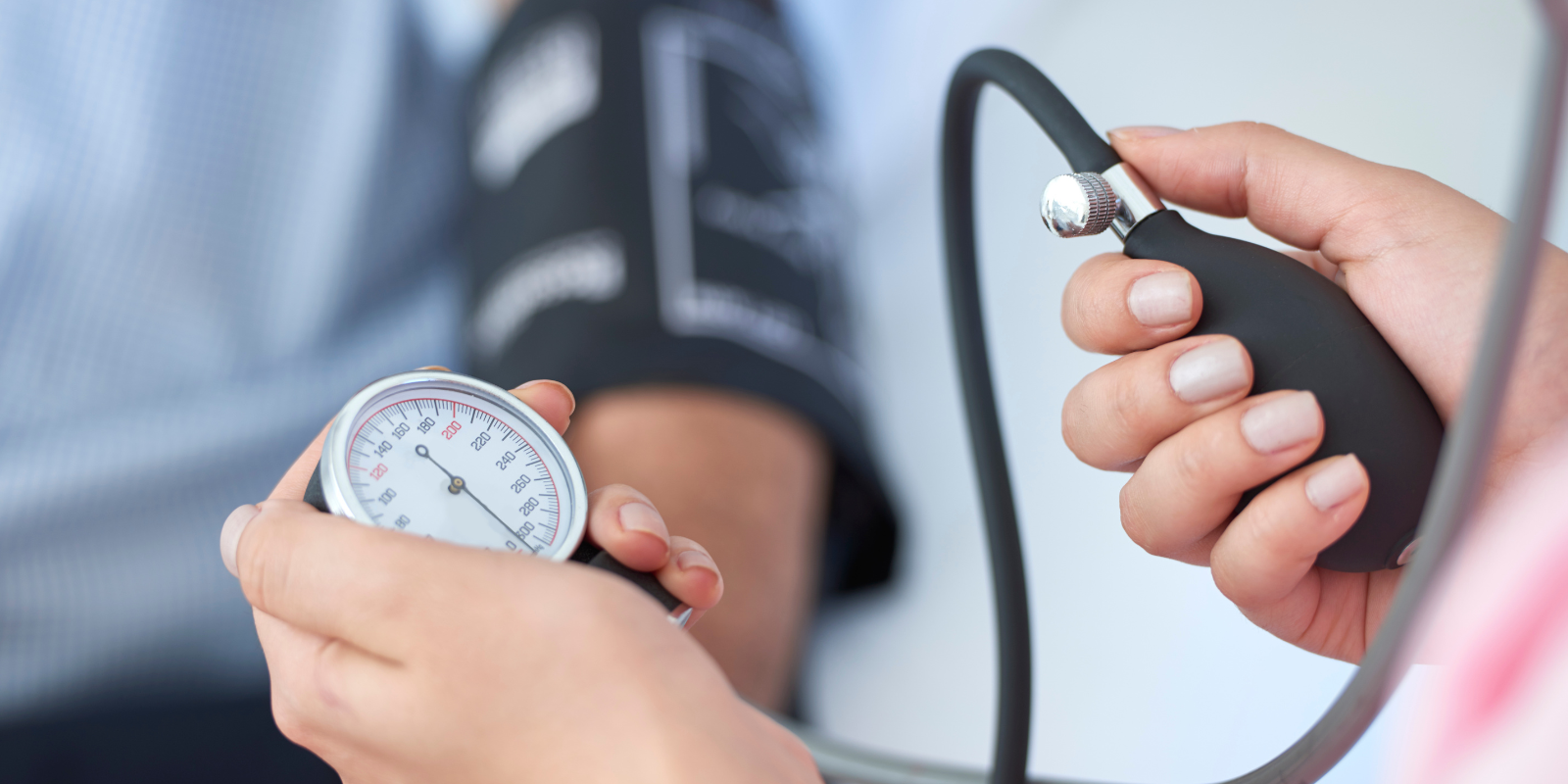
- Blood pressure and cholesterol checks
- Blood sugar and metabolic testing
- Cancer screenings (breast, cervical, colorectal, prostate)
- Bone density scans
- Mental health and lifestyle assessments
According to CDC preventive care guidance, routine screenings significantly reduce the risk of chronic disease and improve quality of life over time.
In short, preventive screenings help you stay ahead of your health rather than reacting to problems later.
The Importance of Preventive Screenings for Long-Term Health
The importance of preventive screenings lies in their ability to catch silent health issues early. Many severe conditions, such as high blood pressure, diabetes, heart disease, and certain cancers, develop slowly and without noticeable symptoms.
- You often don’t feel “off” until the condition has already advanced.
Preventive screenings help:
- Identify health risks early
- Track changes over time
- Guide realistic lifestyle adjustments
- Reduce hospitalizations and emergency visits
- Support healthier aging
Preventive care delivers better results when providers use a patient-centered primary care model that emphasizes more extended visits, trust, and personalized prevention. When providers truly know their patients, screening recommendations become more accurate, meaningful, and actionable.
Preventive Health Screenings by Age: What to Expect Over Time
Preventive screenings by age help you get the proper care at the right time, without unnecessary testing or missed opportunities for early intervention. Instead of waiting for symptoms to appear, age-based screenings help you stay proactive and informed as your body changes over time.
However, these screenings work best when a provider applies them througha patient-centered primary care model that focuses on your history, lifestyle, and long-term goals rather than rigid checklists.
Each stage of adulthood brings unique health priorities. Preventive screenings evolve alongside these changes, helping you protect your health early rather than managing complications later.
Preventive Screenings in Your 20s and 30s: Laying the Groundwork for Long-Term Health
Your 20s and 30s are often your healthiest decades, making preventive screenings especially valuable at this stage. Many chronic conditions begin developing quietly in early adulthood, even when energy levels feel high and daily life feels manageable.
Standard preventive screenings during this phase include:
- Blood pressure and cholesterol checks
- BMI and metabolic health screening
- Cervical cancer screening for women
- Mental health and lifestyle assessments
These screenings create a clear health baseline. Providers use that baseline to identify changes early, long before symptoms disrupt your routine.
During this stage, many adults begin experiencing subtle metabolic changes. People often notice gradual weight gain, shifts in energy, or increased sensitivity to stress. Many dismiss these changes as “normal,” but they usually signal early metabolic or hormonal shifts.
Preventive screenings catch these patterns early. Early detection allows providers to recommend simple lifestyle adjustments instead of medications or aggressive interventions later. Skipping screenings in your 20s and 30s means missing one of the most effective prevention windows.
Preventive Screenings in Your 40s and 50s: Identifying Patterns Before Problems Take Hold
Your 40s and 50s represent a turning point in long-term health. Hormonal changes, cumulative stress, and decades of lifestyle habits begin to more strongly influence cardiovascular, metabolic, and hormonal health.
Preventive screenings during this stage focus on identifying trends rather than reacting to isolated results.
Typical screenings include:
- Colon cancer screening
- Breast cancer screening for women
- Prostate health discussions for men
- Diabetes screening
- Cardiovascular risk assessments
Providers look for gradual shifts in blood pressure, cholesterol, and blood sugar rather than waiting for levels to cross diagnostic thresholds. This approach allows earlier, more effective intervention.
For men, this stage is critical. Many severe conditions progress silently during midlife. Routinescreenings for men help detect heart disease, diabetes, and hormone imbalances before symptoms interfere with work, energy, or quality of life.
Preventive screenings during your 40s and 50s give you time to adjust course. They help you protect your health while you remain active, productive, and engaged.
Preventive Screenings After 60: Supporting Independence and Quality of Life
After age 60, preventive screenings shift focus. Providers still work to prevent disease, but they also prioritize mobility, cognitive health, and daily function.
Standard preventive screenings after 60 include:
- Bone density testing
- Vision and hearing screenings
- Cognitive and memory assessments
- Fall-risk evaluations
- Immunization updates
These screenings help preserve independence. Bone density testing reduces fracture risk. Vision and hearing checks lower fall risk and support social engagement. Cognitive assessments establish baselines that help providers identify changes early.
Preventive screenings at this stage help you stay active, confident, and independent for as long as possible.
Why Age-Based Screening Guidelines Work Best With Personalized Care
Age-based guidelines provide structure, but personalized care creates impact. Family history, stress levels, sleep quality, occupation, and lifestyle habits all influence screening needs.
Providers deliver the most effective preventive care when they build long-term relationships with patients. Over time, screenings become more precise, more relevant, and easier to maintain because they reflect real-life patterns instead of generic schedules.
Preventive health screenings by age serve as flexible tools, not rigid rules. When providers tailor screenings to your life, preventive care becomes more straightforward, more effective, and far less overwhelming.
Preventive Health Screenings for Adults: Why Feeling Fine Isn’t Enough
Preventive health screenings for adults are essential, even when you feel perfectly healthy. Many adults assume that no symptoms means no problems, but that’s often not the case.
Conditions like high cholesterol, hypertension, and prediabetes can exist quietly for years.
Routine preventive screenings for adults provide objective data that helps your provider:
- Detect early warning signs
- Monitor trends over time
- Recommend lifestyle changes before medication is needed
- Reduce the likelihood of major health events later
For a broader look at how prevention fits into lifelong wellness,preventive care and wellness resources reinforce why consistency matters.
Preventive Screenings for Women: Addressing Unique Health Needs
Preventive screenings for women include both general health evaluations and female-specific care. Hormonal changes, reproductive health, pregnancy history, and bone density all influence screening needs across different life stages.
Standard preventive screenings for women include:
- Pap smears and HPV testing
- Mammograms
- Bone density scans
- Thyroid screening
- Cardiovascular risk assessments
Women often manage multiple roles, career, caregiving, and family responsibilities, which makes proactive care even more critical. Consistent screenings help catch issues early and support long-term vitality.
Preventive Screenings for Men: Closing the Prevention Gap
Men frequently put off preventive screenings until symptoms disrupt daily life, increasing the risk of serious complications. Unfortunately, that delay increases the risk of serious complications.
Men face higher risks for:
- Heart disease
- High blood pressure
- Diabetes
- Hormonal imbalances
That’s why understanding how routine preventive screenings help men detect heart disease, diabetes, and hormone issues earlier is critical. Early detection leads to simpler treatment options and better long-term outcomes.
How Preventive Screenings Help Prevent Chronic Disease
Preventive screenings are one of the most effective tools for reducing chronic disease. Early identification allows for:
- Lifestyle interventions instead of medication
- Slower disease progression
- Better long-term outcomes
- Lower healthcare costs
For example:
- Detecting prediabetes can prevent type 2 diabetes
- Monitoring cholesterol can reduce the risk of a heart attack risk
- Early cancer screenings significantly improve survival rates
Preventive screenings work best when paired with education, follow-up, and accountability, elements that are often missing in rushed, insurance-driven healthcare models.
How Often Should You Get Preventive Screenings?
There’s no universal screening schedule that fits everyone. The correct frequency depends on:
- Age
- Sex
- Family history
- Lifestyle factors
- Existing health conditions
A trusted primary care provider can help personalize your preventive care plan so screenings are timely, relevant, and not excessive.
Making Preventive Screenings Easier and Less Stressful
One of the most significant barriers to preventive care is how complicated or rushed it feels. A relationship-based care model removes that friction by offering:
- Longer visits
- Clear explanations
- Transparent pricing
- Judgment-free conversations
- Ongoing follow-up
When healthcare feels accessible and supportive, people are more likely to stay consistent, and consistency is what makes preventive screenings truly effective.
Prevention Is an Investment in Your Future
Preventive screenings aren’t about finding problems, they’re about protecting your health, your time, and your peace of mind.
They empower you with knowledge, help you make proactive decisions, and reduce the likelihood of serious illness later on. When combined with personalized primary care, preventive screenings become one of the smartest investments you can make in your long-term well-being.
If it’s been a while since your last preventive screening, or you’re unsure which ones you need, now is the perfect time to take action. Partnering with a primary care team that prioritizes prevention, education, and personalized care can help you stay ahead of your health at every stage of life.
Your future health starts with the choices you make today. Prevention starts now.