Can You Get a Well-Woman Exam on Your Period?
TLDR: Wondering about a well-woman exam on your period? You're asking a totally normal question, and the answer isn't always the same for every patient or every part of the exam. Here's what to know before your appointment and how our Nurse Practitioner team in Cedar Park helps you figure out the right timing.
What Happens During a Well-Woman Exam
A well-woman exam typically includes a review of your health history, a physical exam, and depending on your age and history, screenings like a Pap smear or clinical breast exam, all part of our women’s health services. Whether a period gets in the way is one of the most common questions patients ask before scheduling.
The MedlinePlus overview of cervical cancer screening guidelines covers how these screenings fit into your broader visit.
Can You Have a Well-Woman Exam While on Your Period
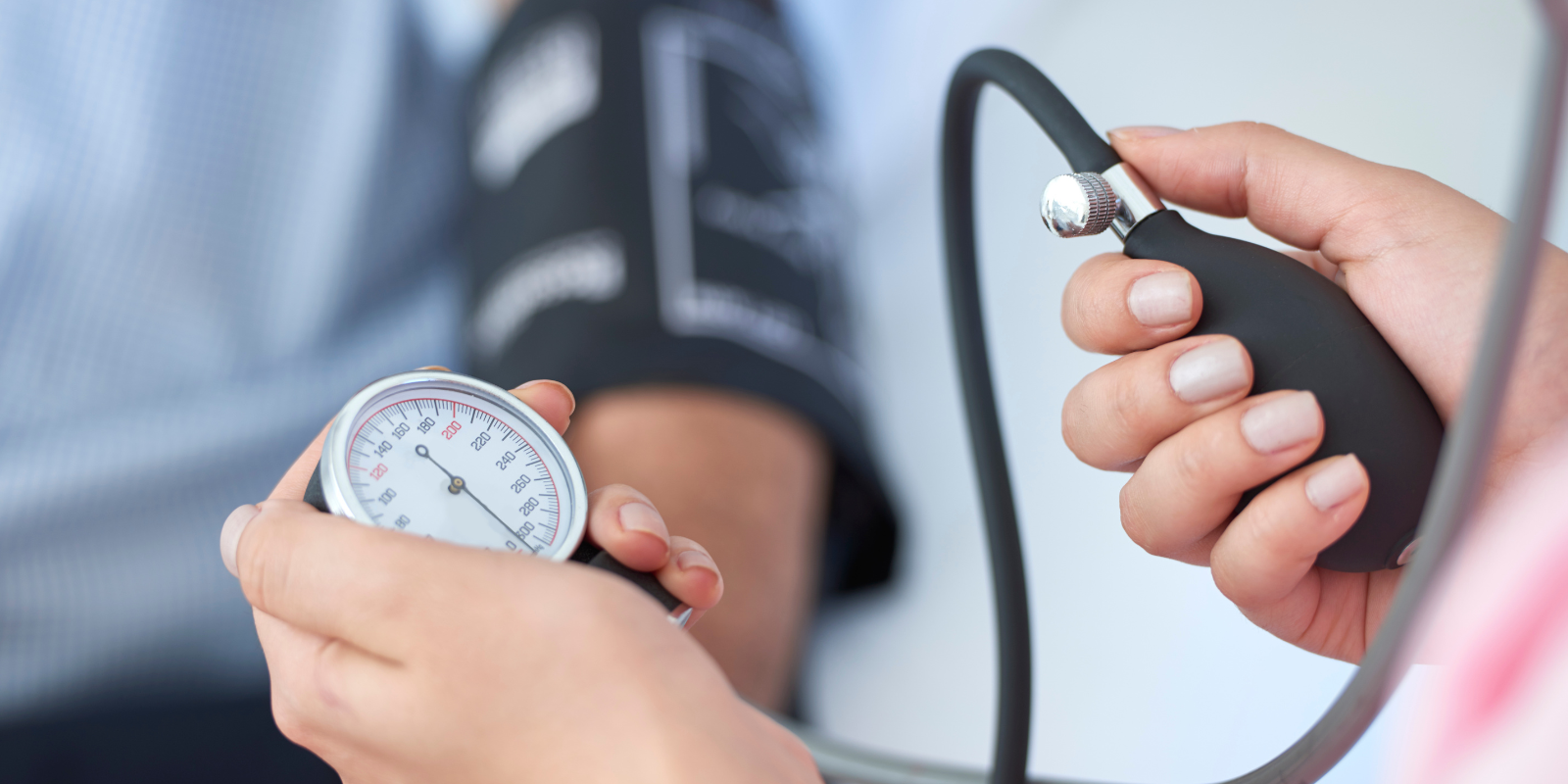
In many cases, yes. A review of your health history, blood pressure check, and general physical exam are not affected by your cycle at all. Certain screening components, such as a Pap smear, can be more variable, since heavy flow may occasionally affect sample quality depending on the specific test being used. Your Nurse Practitioner is the right person to make that call based on your specific visit and flow.
Rescheduling isn't always necessary, and plenty of patients complete their exam without issue while menstruating. In fact, CDC guidance notes a Pap test can still be done during your period in many cases. The American College of Obstetricians and Gynecologists also notes that well-woman visits remain valuable even without a pelvic exam, since so much of the appointment covers health history, counseling, and screening decisions beyond the physical exam itself. But there are situations where waiting a few days makes sense, and your provider is the right person to help you make that call.
When It Makes Sense to Reschedule Your Appointment
A few situations where rescheduling might be worth considering:
- You're experiencing unusually heavy flow and feel uncomfortable with a pelvic exam
- Your visit specifically requires a Pap smear and you have concerns about timing
- You have other symptoms alongside your period that you'd rather discuss without added discomfort
Outside of those situations, most patients don't need to reschedule at all. When in doubt, calling ahead and asking is always the better move than guessing.
Tips for Scheduling Your Well-Woman Exam Around Your Cycle
If you'd rather plan ahead than leave it to chance, a few small habits help:
- Track your cycle so you have a general sense of timing when booking
- Call ahead if you're unsure whether your visit includes a Pap smear
- Don't cancel out of embarrassment. Asking is always the better option
- Ask your Nurse Practitioner directly if you have any doubt at all
What to Tell Your Nurse Practitioner Before Your Visit
Before your appointment, let your Nurse Practitioner know if you're currently on your period, especially if your flow is heavier than usual or if you're experiencing other symptoms. This gives your provider the information needed to decide together whether to proceed as planned or adjust timing for certain parts of the exam.
Being upfront about it isn't awkward from a provider's side. It's a completely normal part of scheduling these visits, and your Primary Care Provider would rather know ahead of time than find out after you've already arrived uncomfortable. If you want to learn more about what to expect before you arrive, our guide on preparing for your well-woman exam covers the most common questions patients have going in.
Book Your Well-Woman Exam With a Provider Who Makes These Questions Easy to Ask
You should not have to guess whether to keep or reschedule your appointment. At Impact Family Wellness, our Cedar Park, TX team is straightforward to reach, and timing questions like this one are easy to sort out before your visit. Schedule your well-woman exam in Cedar Park and bring any questions with you, including this one.
Frequently Asked Questions
1. Can you have a Pap smear on your period?
It depends on flow and the specific testing method used. Your Nurse Practitioner can advise whether your visit should proceed as scheduled or whether rescheduling makes sense for your situation.
2. How often should you get a well-woman exam?
A well-woman exam is generally recommended once a year as part of routine preventive care. Your Nurse Practitioner can help you figure out the right schedule based on your age, history, and any ongoing concerns.
3. Does having your period affect a well-woman exam?
It can affect certain screening components, like a Pap smear, more than others. A general physical exam and health history review typically aren't affected at all.
4. What happens at a well-woman exam?
A well-woman exam generally includes a health history review, physical exam, and age-appropriate screenings.
5. Can a Nurse Practitioner do a pelvic exam during menstruation?
Yes, a Nurse Practitioner can typically perform a pelvic exam during menstruation, though your comfort level and the reason for the visit are both worth discussing beforehand.
Key Takeaways
- Not every part of a well-woman exam is affected by your period, so rescheduling isn't always necessary.
- Pap smear timing is the component most likely to be affected by your cycle.
- Calling ahead before your appointment can help you avoid guessing or an unnecessary reschedule.
- Being upfront with your Nurse Practitioner about your cycle helps them plan your visit appropriately.
- There's no reason to feel awkward bringing this up with your provider.