Does Sclerotherapy Hurt? What It Really Feels Like
If you've been putting off treatment because you're worried about the needle, you're not alone. "Does sclerotherapy hurt?" is one of the first questions most people ask before booking a spider vein appointment, and the honest answer is more reassuring than most people expect. This guide walks through what the injections actually feel like, why some spots sting more than others, and what recovery looks like afterward.
What Sclerotherapy Actually Involves
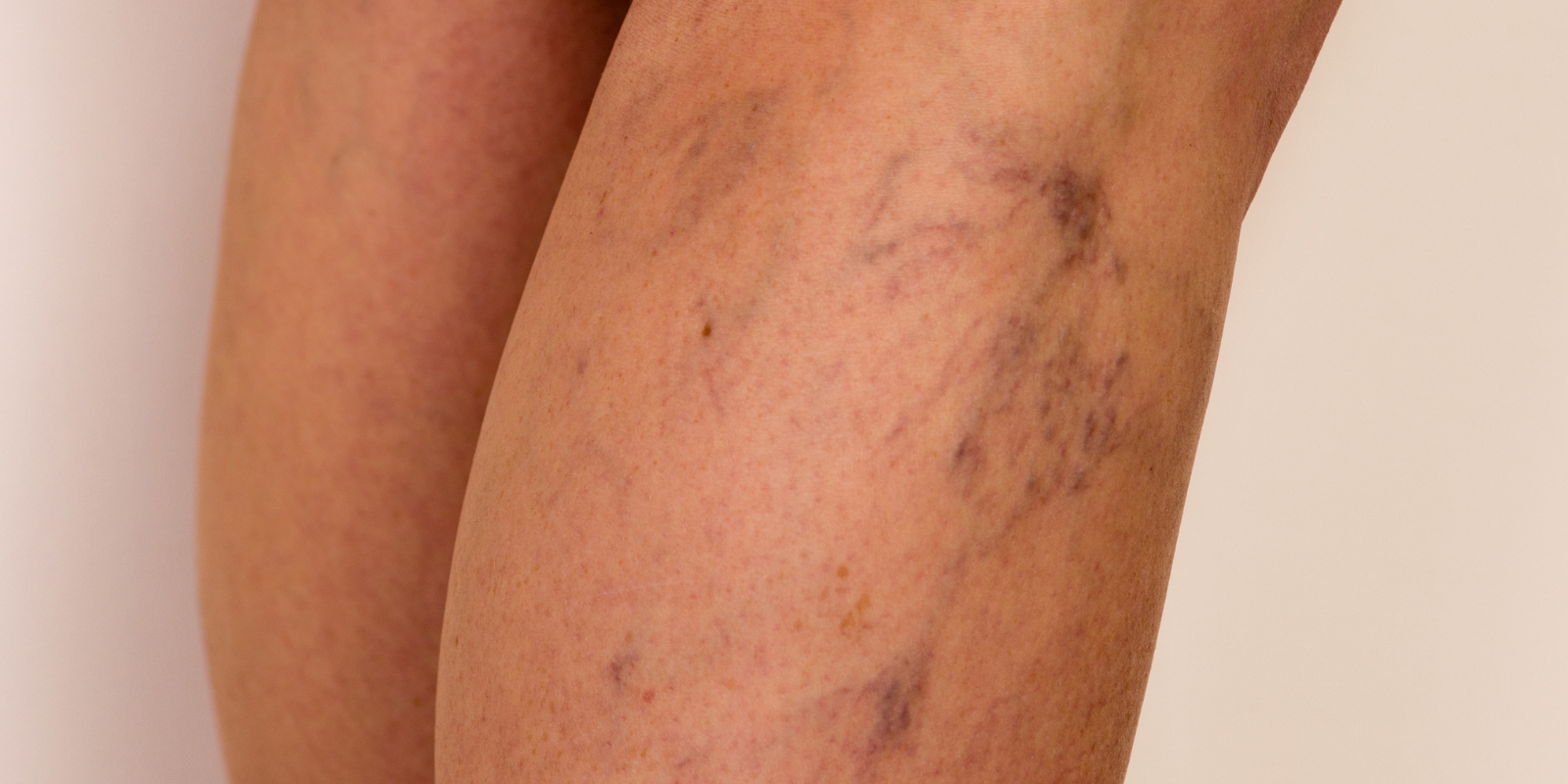
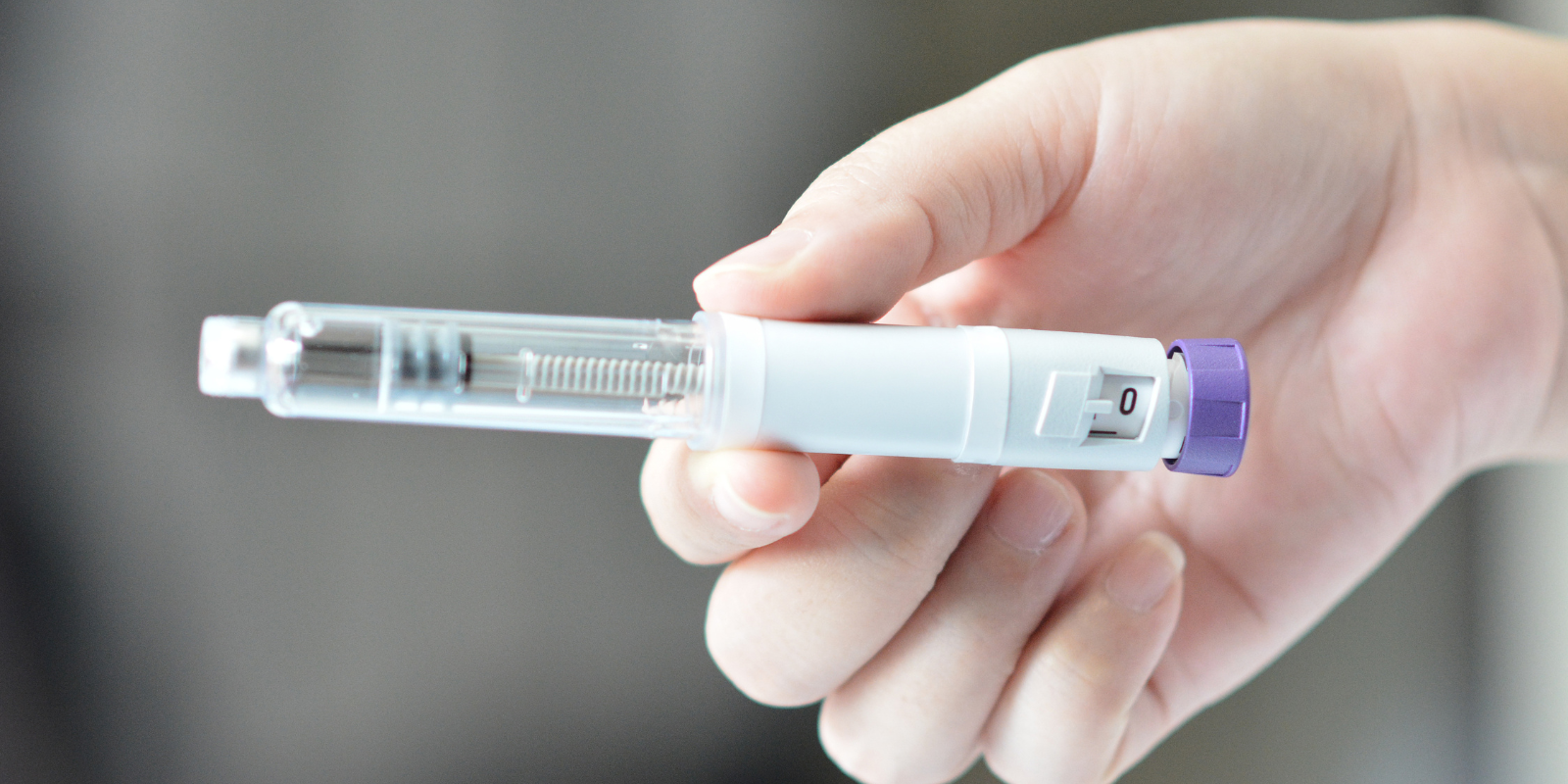
Sclerotherapy is an injection treatment for spider veins, the small reddish or bluish vessels that show up on the legs. A Nurse Practitioner uses a very fine needle, 30-gauge or smaller, to inject a solution directly into the vein. That solution irritates the vein wall, causing it to collapse and eventually fade from view as your body reabsorbs it.
At Impact Family Wellness, treatment is done as liquid or foam sclerotherapy in-office. Sclerotherapy is considered the gold-standard treatment for spider veins and reticular veins, and most people need between one and three sessions depending on how many veins are being treated.
Does Sclerotherapy Hurt? What Patients Really Feel
Most patients describe the injection as a brief pinch or sting rather than sharp pain, and it's usually over before you have time to tense up. The needle is finer than the ones used for a standard blood draw, and each injection only takes a few seconds.
Clinical research on sclerosing solutions consistently shows that injection site discomfort is usually mild and temporary. In FDA trial data on one commonly used sclerosant, injection site pain was reported in about a quarter of treated patients, compared with roughly one in ten patients who received a placebo injection, and in most cases that discomfort was brief and localized rather than lasting. That matches what most patients describe after treatment: a quick pinch rather than ongoing pain.
What you won't feel is the deep, aching pain some people associate with medical procedures. The sensation stays at the surface, in the skin and vein wall, not in the muscle or bone underneath.
Why Some Injections Sting More Than Others
Not every injection feels the same, and that’s normal. A Cochrane review of sclerotherapy studies found that the sclerosing solution used affects how much an injection stings, with sodium tetradecyl sulfate generally reported as more painful than polidocanol, and polidocanol itself showing no more pain than a placebo injection in several trials.
Location matters too. Veins closer to the ankle or the inside of the knee tend to feel more sensitive than veins on the thigh, simply because the skin is thinner there. Smaller spider veins near the surface may also sting slightly more than deeper reticular veins, since the solution has less room to disperse before it reaches nerve endings in the skin.
None of this means something has gone wrong. A little more sting in one spot than another is a normal part of treating veins of different sizes and depths, not a sign of a complication.
What Happens During Your Appointment
Your Nurse Practitioner starts by examining the veins you want treated and talking through your goals, so there's no guesswork about what will happen. You'll lie down or sit, depending on which veins are being treated, and the area is cleaned before anything else happens.
Each injection takes only a few seconds, and a typical session treats several veins in one visit. At Impact Family Wellness, an initial visit is $225 and a follow-up visit is $150, and most cases need one to three treatments total, spaced several weeks apart, depending on how many veins you're having treated and how your body responds.
The entire appointment usually wraps up in well under an hour, and you can expect to be in and out without needing someone to drive you home.
Recovery: What to Expect After Treatment
Most people go right back to their normal day after treatment. MedlinePlus notes that patients are generally asked to wear compression stockings for about a week after sclerotherapy, which helps the treated veins close properly and lowers the chance of bruising.
Some redness, mild bruising, or slight swelling around the injection sites is common in the days after treatment, and it typically fades on its own. Spider veins usually start to fade within three to six weeks, though it can take a little longer for larger veins to fully respond.
Walking is encouraged right after your appointment, since movement helps circulation in the treated leg. What's not recommended is intense exercise or long flights in the first week, since both can interfere with healing.
Tips to Make Treatment More Comfortable
Your Nurse Practitioner treats the largest, most noticeable veins first and works down to smaller ones, which keeps the number of injections in any one session manageable. Taking breaks between injections is always an option if you need a moment.
If spider veins are new for you, it also helps to understand how they differ from varicose veins, since the two are often confused but respond differently to treatment. And if cost is part of what's held you back, our spider vein treatment cost guide breaks down pricing and what, if anything, insurance typically covers.
Ready to talk about your own veins? Schedule a consultation to go over your options, or register as a new patient if you're ready to get started.
Frequently Asked Questions
1. How long does sclerotherapy pain last?
Any stinging from the injection itself typically passes within seconds. Mild soreness, redness, or bruising around the injection sites can linger for a few days, but it isn't the kind of pain that limits your normal activities.
2. Is foam sclerotherapy more painful than regular sclerotherapy?
No. Foam and liquid sclerotherapy use the same fine needle and a similar injection technique, so the sensation during treatment is comparable between the two methods.
3. What does sclerotherapy feel like during the injection?
Most patients describe a quick pinch or sting at the injection site, similar to or milder than a standard blood draw. It passes quickly, and many patients say later sessions feel more familiar and less tense than the first.
4. Does sclerotherapy hurt more than getting blood drawn?
For most patients, it's comparable, or even milder, since the needle used in sclerotherapy is finer than a typical blood draw needle.
5. Will I need more than one treatment session?
Most cases need one to three treatments, spaced a few weeks apart, depending on how many veins you're treating and how your body responds.
Key Takeaways
- Sclerotherapy typically feels like a brief pinch or sting, not sharp or lasting pain
- FDA trial data puts injection site pain around 24% for polidocanol, often milder than expected
- Some spots sting more than others based on the vein's location and the solution used
- An initial visit is $225 and a follow-up is $150, with most cases needing one to three sessions
- Compression stockings for about a week support healing and reduce bruising
- Spider veins usually start fading within three to six weeks