Spider Veins vs Varicose Veins: What's the Difference?
If you've noticed thin red lines or bulging blue veins on your legs, you might be wondering whether they're the same thing. Spider veins and varicose veins look different, act differently, and sometimes call for different treatment. Here's how to tell them apart and what actually helps.
What Are Spider Veins?
What's the difference between spider veins and varicose veins? It's one of the most common questions patients ask before their first vein consultation, and it makes sense. Both show up on your legs, both become more common with age, and both get lumped together in casual conversation. Spider veins are the smaller of the two: thin, web-like lines in red, blue, or purple that sit close to the surface of your skin.
They don't bulge or raise the skin the way larger veins do. Most people notice them on the thighs, calves, or ankles, though they can also show up on the face. For most patients, spider veins are a cosmetic concern rather than a medical one, though some notice mild itching or a dull ache after a long day on their feet.
What Are Varicose Veins?
Varicose veins are larger, twisted, and often visibly raised above the skin. They form when the valves inside a vein weaken and let blood pool instead of flowing back toward your heart. Over time, that pooling stretches the vein wall, giving varicose veins their rope-like, bulging appearance.
Varicose vein symptoms tend to show up gradually and get more noticeable over the course of a day. Aching, heaviness, throbbing, or swelling that builds by evening are the most common complaints, especially after standing for long stretches. Unlike spider veins, varicose veins are far more likely to come with these kinds of symptoms rather than just a cosmetic concern.
According to the U.S. Office on Women's Health, varicose veins and spider veins are more common in women, and pregnancy, older age, and family history all raise your risk. Left alone, larger varicose veins can occasionally lead to skin changes or a painful inflammation of the vein called phlebitis, which is one more reason not to write off ongoing symptoms as purely cosmetic.
Spider Veins vs Varicose Veins: How They Compare
Side by side, the differences are easier to spot:
- Size and depth: spider veins are thin and sit near the surface; varicose veins are larger and sit deeper under the skin.
- Appearance: spider veins look like a web or tree branch; varicose veins look raised, twisted, and rope-like.
- Symptoms: spider veins rarely hurt; varicose veins more often cause aching, heaviness, or swelling.
- Progression: spider veins tend to stay cosmetic; varicose veins can worsen and occasionally lead to skin changes or vein inflammation if left untreated.
Varicose veins are also considered a clinical condition more often than spider veins, according to StatPearls, a peer-reviewed clinical reference. That doesn't mean spider veins should be ignored, only that the two conditions are usually evaluated a little differently.
If you're ever unsure which one you're looking at, that uncertainty is exactly what a quick visit with your provider can clear up. Guessing from a mirror is a lot harder than it sounds, especially with veins that sit just under the skin.
What Causes Spider Veins and Varicose Veins
Both conditions share several of the same root causes. Genetics plays a large role. If a parent or grandparent had visible leg veins, you're more likely to develop them too. Jobs that involve long hours of standing or sitting also raise your risk, since blood has to work harder to move back up your legs against gravity.
Pregnancy is another common trigger. Rising estrogen and progesterone levels affect vein quality, which is why many women notice new spider veins or varicose veins during or after pregnancy. Weight gain, aging, and a sedentary lifestyle add extra pressure on your veins over time. In men, spider veins sometimes develop when nearby varicose veins stretch and put pressure on smaller vessels.
Past leg injuries can play a role too, since damaged veins don't always regain their original strength. None of these causes are things you did wrong. They're mostly a mix of genetics and normal life circumstances, which is exactly why so many people eventually ask about treatment.
Treatment Options at Impact Family Wellness
As a vein clinic in Cedar Park, Leander, and Thorndale, we use sclerotherapy as the primary treatment for spider veins. Your Nurse Practitioner injects a solution directly into the vein, which causes it to collapse and fade over the following weeks. Most patients see results after one or two sessions, and there's no downtime, so you can get back to your day right after your appointment.
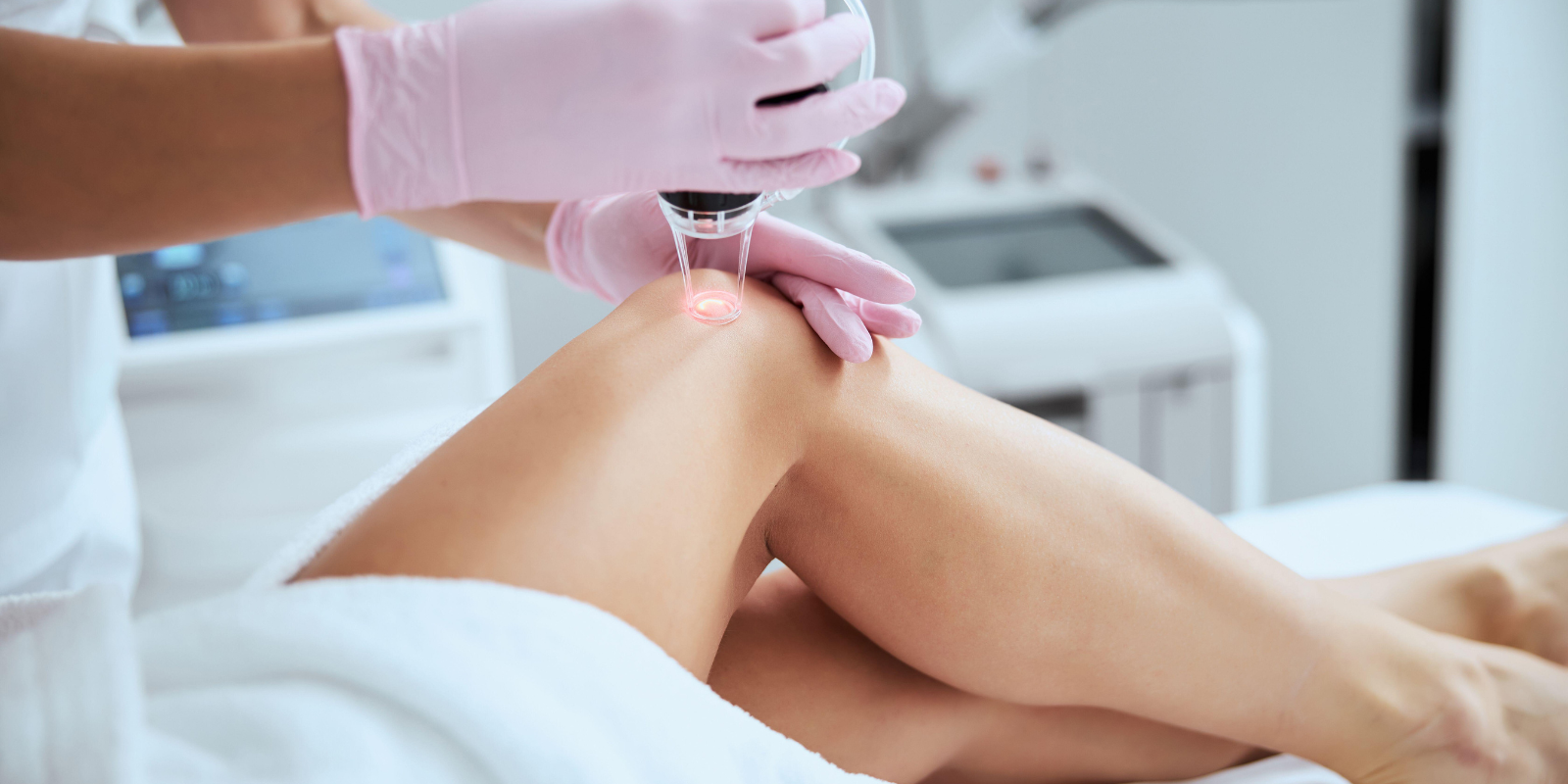
For reticular veins and some smaller varicose veins, foam sclerotherapy is often a better fit. It works the same way as standard sclerotherapy, but the solution is mixed with a small amount of gas to help it spread more evenly through larger vessels. Laser treatment isn't offered in this office, since sclerotherapy is generally the better fit for the vein sizes seen most often in this patient population.
Sclerotherapy is a treatment, not a permanent cure. New spider veins can develop over time, so most patients return for periodic touch-ups every few years. If you're curious about the process from start to finish, our post on vein treatment methods walks through what to expect, and six things to know before treatment covers the questions patients ask most.
If you're already dealing with related vascular or circulation concerns, that's worth mentioning to your primary care provider as part of your overall health picture, not just a cosmetic conversation. Recovery is usually simple too, and our guide to recovery and aftercare for spider vein treatment covers what the first few days typically look like.
Not sure which one you're dealing with?
Schedule a spider vein consultation in Cedar Park, Leander, or Thorndale and get a clear answer, plus a treatment plan built around what your veins actually need.
FAQs About Spider Veins and Varicose Veins
1. What is the main difference between spider veins and varicose veins?
Spider veins are small, thin, and sit close to the surface of the skin, usually without symptoms. Varicose veins are larger, raised, and more likely to cause aching, heaviness, or swelling. The two are related but not the same condition.
2. Can you have both spider veins and varicose veins at the same time?
Yes. It's common to have both, especially since they share the same root causes, like weakened vein valves, genetics, and long periods of standing or sitting. Having one doesn't rule out the other, so it's worth having any visible veins evaluated together.
3. Do spider veins turn into varicose veins over time?
Not typically. Spider veins and varicose veins usually develop independently, even though they share similar causes. Spider veins tend to stay small and cosmetic, while varicose veins form when larger, deeper veins lose their ability to move blood back toward the heart.
4. Are varicose veins always a medical concern, or can they be just cosmetic?
They can be either. Some varicose veins cause no symptoms beyond appearance, while others lead to aching, heaviness, or skin changes over time. Since varicose veins are more likely than spider veins to be evaluated as a clinical condition, it's worth mentioning any discomfort to your Nurse Practitioner rather than assuming it's purely cosmetic.
5. How do I know if my leg veins need treatment or are just a cosmetic concern?
If your veins don't hurt, swell, or change color, they're usually a cosmetic concern. Aching, heaviness, throbbing, or a noticeable change in size or color are signs worth having evaluated. A quick visit with your provider is the clearest way to know which one you're dealing with.
Key Takeaways
- Spider veins are smaller, closer to the skin, and usually cosmetic, while varicose veins are larger, raised, and more likely to cause discomfort.
- Standing or sitting for long periods, pregnancy, and family history raise your risk for both conditions.
- Sclerotherapy is a proven, minimally invasive option for spider veins and select smaller varicose veins.
- Most people need more than one treatment session, and periodic retreatment over the years is normal, not a sign something went wrong.