Weight Loss Clinic Cedar Park TX: Medical Programs That Work
If you’ve tried diet after diet without lasting results, the problem likely isn’t your willpower it’s the structure of the program itself. This post breaks down what separates a medical weight loss program from commercial diets, who qualifies for provider-guided care, and what you can expect when you work with a weight loss clinic Cedar Park TX that treats the whole picture.
Why Most Diets Fail Patients Who Are Serious About Losing Weight
You’ve probably done everything right on paper. Cut calories. Tracked macros. Committed to a plan. And for a few weeks, maybe it worked. Then life experienced stress, a plateau, a holiday and the weight came back.
That’s not a personal failure. It’s a structural one.
According to the National Institute of Diabetes and Digestive and Kidney Diseases (NIDDK), most people who lose weight through diet alone regain it within one to five years. The reason isn’t lack of motivation. It’s that diets address behavior without addressing biology.
Commercial diet programs are designed around compliance, follow the rules, and get the result. What they can’t do is account for your metabolic rate, your hormonal profile, your chronic health history, or the dozens of clinical factors that determine how your body actually responds to a caloric deficit.
That gap is exactly what medical weight loss Cedar Park programs are built to close.
What a Medical Weight Loss Program Actually Includes Beyond the Prescription
When most people hear “medical weight loss,” they picture a prescription and a pamphlet. The reality of a well-structured program is significantly different.
At a weight loss clinic in Cedar Park TX like Impact Family Wellness, the process starts with a clinical assessment not a weigh-in. Your Primary Care Provider reviews your full health history, current medications, metabolic markers, and any underlying conditions that may be affecting your weight. That evaluation shapes everything that follows.
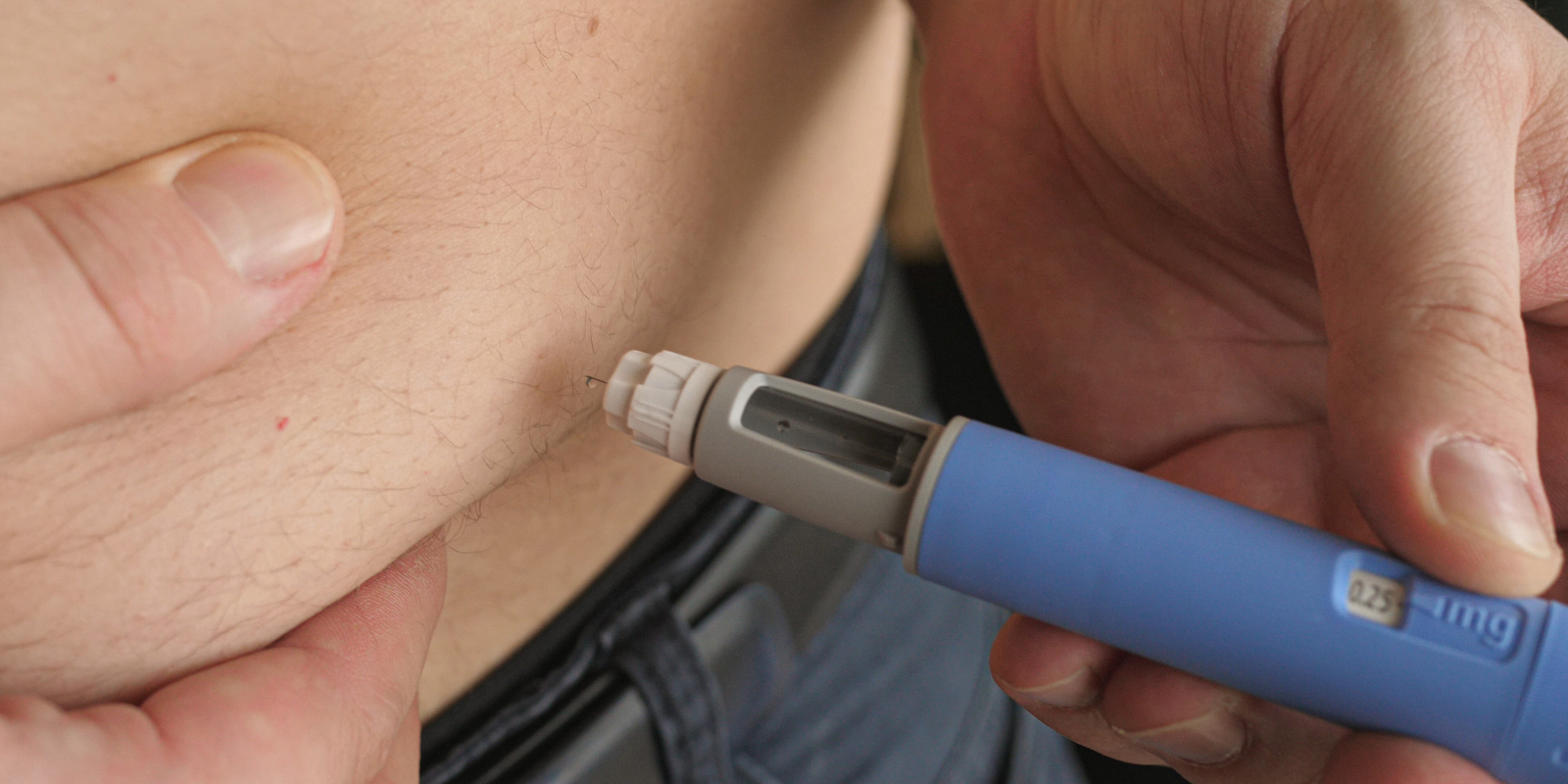
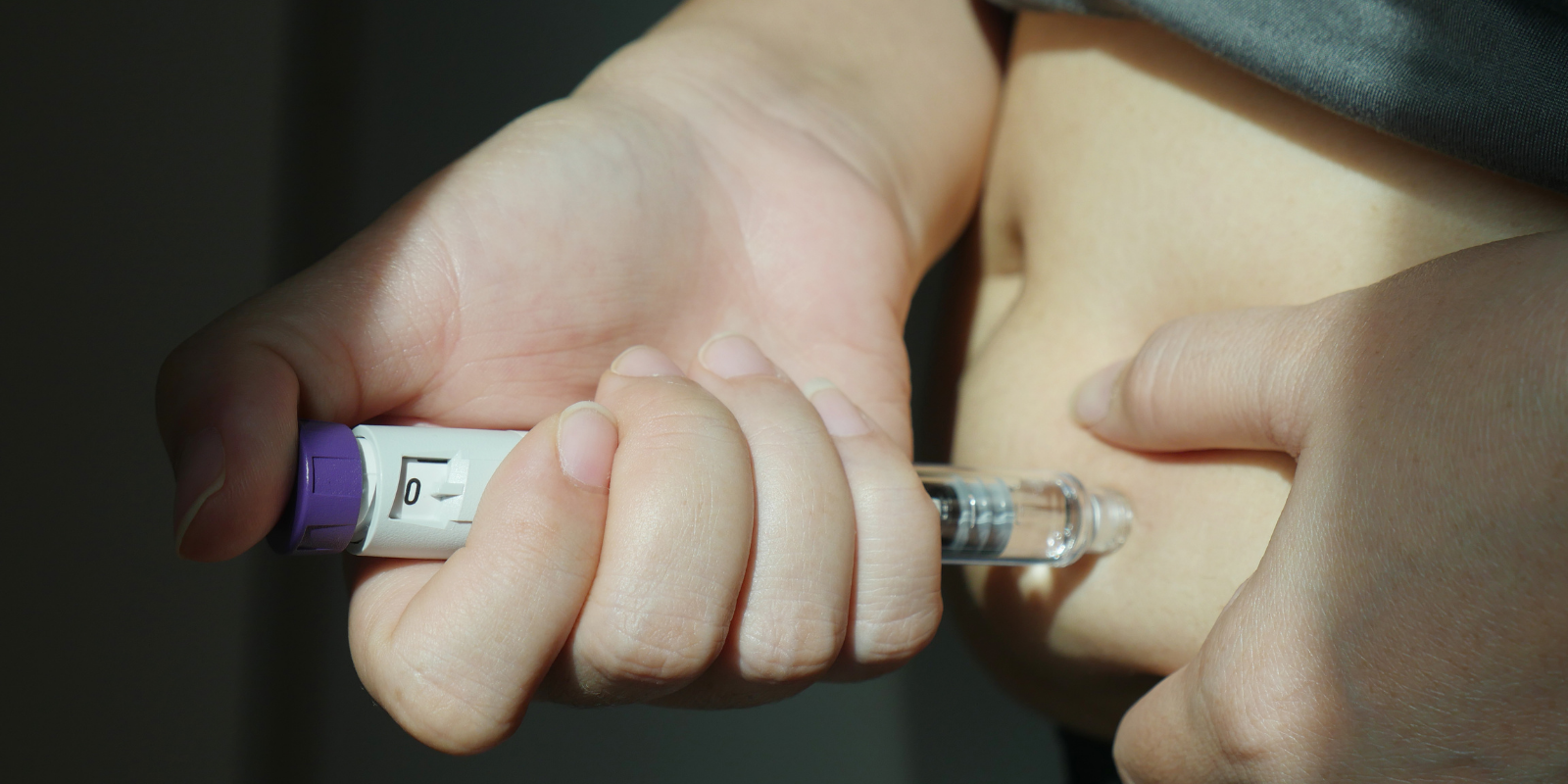
Prescription weight loss Texas providers can offer goes well beyond what you’d get from a diet app or an over-the-counter supplement. Depending on your clinical profile, your provider may recommend weight loss medication as part of a broader care plan that includes nutritional guidance, lifestyle adjustments, and ongoing clinical monitoring.
The medication is a tool not the whole program. What surrounds it is what creates sustainable results.
The Role Your Primary Care Provider Plays in Sustainable Results
One of the most significant differences between a diet and a medical program is who’s watching what happens next.
With a commercial plan, you’re essentially on your own. You track, you adjust, you hope. With a provider-prescribed weight loss Cedar Park program, your Nurse Practitioner is actively involved in interpreting your results, adjusting your care plan, and catching problems before they derail your progress.
That relationship matters more than most people realize. Weight loss is rarely linear. Plateaus happen. Hormones shift. A medication dose that worked at month two may need to be adjusted by month four. Without a clinical relationship, those changes go unmanaged. With one, they become part of the process rather than a reason to quit.
Your Primary Care Provider also brings your full health picture into the conversation. If you’re managing a chronic condition alongside your weight, your care plan should account for both and not treat them as separate problems. That’s what primary care services built around continuity are designed to do.
Medical Weight Loss vs. Commercial Diet Programs: The Core Differences
The contrast between a clinical program and a commercial diet comes down to four things: assessment, personalization, accountability, and adjustment.
Assessment
Commercial programs start with a quiz or a body weight goal. A clinical program starts with bloodwork, a health history review, and a Nurse Practitioner who understands what your numbers mean and how they connect to your weight.
Personalization
A commercial plan gives everyone the same framework. GLP-1 weight loss Texas programs, for example, are not appropriate for every patient; your provider determines whether you’re a clinical candidate based on your specific profile, not a general category.
Accountability
With a diet, accountability is usually a community forum or a phone app. With a medical program, it’s a real provider relationship with someone who reviews your labs, tracks your progress, and is medically responsible for your outcomes.
Adjustment
Diets are static. Medical programs are dynamic. If something isn’t working, your provider adjusts the approach. That flexibility is what allows a clinical program to succeed where rigid diet rules consistently fall short.
If you’re ready to take the next step, view our membership pricing to see how affordable provider-guided care can be.
Who Is a Good Candidate for a Medical Weight Loss Program at IFW?
Not every patient who wants to lose weight needs a clinical program but for a significant portion, it’s the most appropriate and effective path forward.
You may be a good candidate for weight loss medication Cedar Park providers offer if you’ve experienced repeated cycles of weight loss and regain, if your weight is affecting a chronic condition like type 2 diabetes or hypertension, or if you’ve been unable to reach a healthy weight through lifestyle changes alone.
A medical framework is also appropriate for patients who've been told by previous providers that they need to lose weight but were never given clinical support to actually do it. Telling someone to lose weight without a structured plan isn’t care, it's a recommendation without a roadmap.
The best way to find out if you qualify is a direct conversation with a Primary Care Provider who can review your history and walk you through what a program at IFW would look like for you. You can schedule an appointment to get started.
Ready to Stop Starting Over?
If you’ve spent years cycling through diets that work for a season and fail for the long term, a structured medical program may be the answer you’ve been looking for. The team at Impact Family Wellness offers provider-prescribed weight loss care that goes far beyond a prescription; it's a clinical relationship built around your health, your history, and your goals.
Book your appointment today and find out what a real weight loss program looks like for you.
Frequently Asked Questions
1. Why do diets fail long term?
Most diets fail because they address behavior without accounting for biology. Factors like metabolic rate, hormonal shifts, chronic conditions, and medication interactions all affect weight and none of them are addressed by a standard caloric restriction plan. A medical program evaluates and responds to these factors directly.
2. Is medical weight loss covered by insurance?
Coverage for weight loss medication and medical programs varies depending on your insurance plan and the specific treatments involved. Impact Family Wellness operates on a Direct Primary Care membership model, which means transparent, affordable pricing that doesn’t depend on insurance reimbursement. You can review membership pricing to understand your options.
3. What is GLP-1 and how does it relate to weight loss?
GLP-1 (glucagon-like peptide-1) is a hormone that helps regulate blood sugar and appetite. GLP-1 receptor agonists are a class of weight loss medication that mimic this hormone, helping patients feel full sooner and reduce overall caloric intake. They’re one category of treatment your Primary Care Provider may consider as part of a prescription weight loss Texas program, but only after a clinical assessment confirms you’re an appropriate candidate.
4. What’s the difference between a weight management clinic and a commercial diet program?
A weight management clinic provides clinical assessment, provider oversight, medication management when appropriate, and ongoing care adjustments. Commercial diet programs offer structured plans but no clinical relationship meaning there’s no provider monitoring your progress or adjusting your approach when things change.
5. Do I need to be at a certain weight to start a medical weight loss program?
There’s no single weight threshold that qualifies a patient. Your Primary Care Provider will evaluate your full clinical picture including BMI, health history, and current conditions to determine whether a medical program is the right fit. The best first step is an honest conversation about your goals and history.
Key Takeaways
• Diets fail long term because they address behavior without accounting for the biological and metabolic factors that drive weight a gap clinical programs are specifically designed to fill.
• A medical weight loss program starts with a clinical assessment, not a goal weight. Your Primary Care Provider reviews your full health history before any plan is recommended.
• Provider-prescribed care includes ongoing adjustments based on how your body responds, which is what allows medical programs to succeed where static diet rules consistently don’t.
• GLP-1 and other weight loss medications are tools within a larger clinical framework candidacy is determined by your provider based on your individual profile, not general eligibility criteria.
• Patients managing chronic conditions alongside their weight benefit most from a care model that treats both together rather than treating weight as a separate, isolated issue.
• If you’re in Cedar Park and have tried multiple diets without lasting results, a conversation with a Primary Care Provider is the most direct path to understanding what a medical program would look like for you.